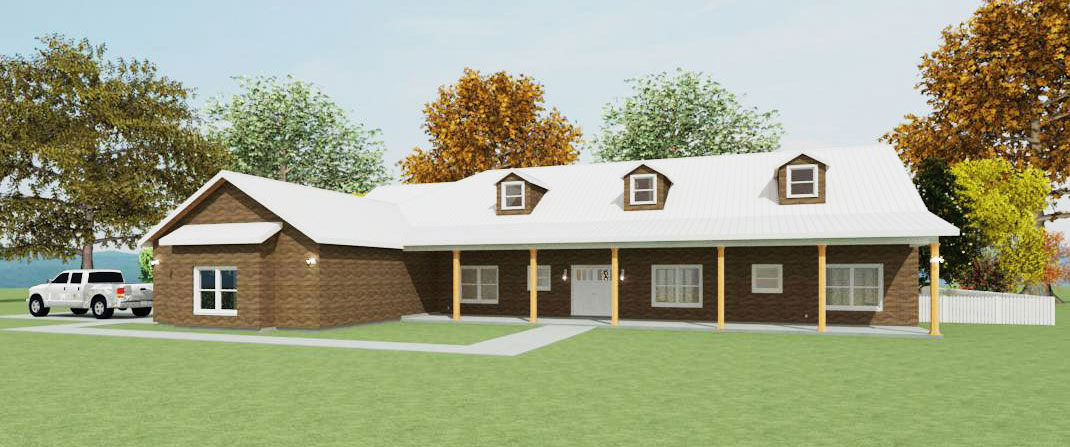

Building on rural Florida land offers space, privacy, and a different kind of lifestyle—but it comes with infrastructure challenges most subdivision builders never face. When you’re beyond city water and sewer lines, your home depends entirely on two underground systems: a septic system for wastewater and a private well for drinking water. Both are heavily regulated in Florida, and both can make or break your project if you don’t plan correctly from the start.
The stakes are higher than they used to be. Florida has tightened septic oversight statewide, shifted regulatory authority, and introduced new permitting rules that took effect in 2026. At the same time, more rural lots—especially smaller parcels—now face mandatory nitrogen-reducing septic technology in environmentally sensitive areas.
If you’re considering buying rural land or already own a lot, here’s what you need to know to avoid costly delays, permit rejections, and long-term maintenance headaches.
Septic System Basics: Permits Are Mandatory Statewide
Florida law is clear: no one may construct, repair, modify, abandon, or operate an onsite sewage treatment and disposal system without an approved permit. That requirement applies to every septic system in the state, whether you’re building new or replacing a failed drainfield.
Septic permits are handled locally by county health departments in most areas, though the program itself transferred from the Florida Department of Health to the Florida Department of Environmental Protection in recent years. In practice, this means you’ll still work with your county health department for permitting, but the rules and oversight now come from DEP.
What the Permit Process Involves
- Site evaluation: A licensed septic contractor or engineer will test soil conditions, drainage, and percolation rates to determine whether a conventional gravity system will work or if you need an engineered alternative.
- System design: The size and type of system depend on the number of bedrooms in your home, soil conditions, lot size, and whether you’re in a nutrient-sensitive area.
- Construction permit: Once approved, septic construction permits are valid for 18 months, with possible extensions depending on circumstances.
- Inspection and approval: After installation, the system must be inspected and approved before the county will issue a certificate of completion.
Small Lots Face Stricter Requirements
In environmentally impacted areas, new septic systems serving lots of one acre or less must use nitrogen-reducing technology rather than a conventional system. This requirement aims to reduce nutrient pollution in groundwater and nearby surface waters, but it also means higher upfront costs—often several thousand dollars more than a standard drainfield.
Check with your county health department early in the process to confirm whether your lot is in an impacted zone. If it is, factor the cost of an advanced treatment unit into your budget before you buy.
Well Construction: Regulated for Groundwater Protection
Your well is your lifeline. In rural Florida, private wells tap into the Floridan Aquifer or shallow aquifers depending on location and depth. Florida law requires prior permission for constructing a water well in areas where groundwater protection is deemed necessary, and statewide rules fall under Chapter 373 of Florida Statutes.
Well construction must be performed by a licensed water well contractor, and the work is regulated to prevent contamination, over-pumping, and interference with neighboring wells. The permit process typically involves:
- Submitting a well construction permit application to the local water management district or county
- Siting the well to meet setback requirements from septic systems, property lines, and surface water
- Installing a sanitary seal and casing to prevent surface contamination
- Testing water quality after drilling to confirm potability
Don’t assume your lot has good water. Some rural areas in Florida face high sulfur, iron, salinity, or even contamination from agricultural or industrial sources. Budget for water testing and possible treatment systems—reverse osmosis, water softeners, or filtration—as part of your build.
Setbacks and Spatial Requirements You Must Meet

Florida guidance establishes minimum separation distances to protect water quality and public health. The most critical setbacks include:
- 75 feet from private potable wells
- 50 feet from non-potable wells
- 5 feet from buildings or property lines
- 75 feet from surface water bodies (lakes, ponds, streams)
These distances mean you need enough usable land to fit your home, septic drainfield, reserve drainfield area, and well, all while respecting property lines and natural features. On small or irregular lots, this can be a puzzle—or impossible.
Before you close on a rural lot, have a site plan sketch prepared showing where all these elements can legally go. If setbacks can’t be met, you may need a variance (difficult to get) or an engineered system (more expensive).
Recent Regulatory Changes: What Shifted in 2026
Florida’s septic rules have been in flux, and several significant changes took effect in 2026 that impact rural builders and homeowners.
New Permitting Workflow
A 2026 law allows a building or plumbing permit for a single-family residence to proceed when proof is shown that a septic permit application was submitted—even if the septic permit hasn’t been fully approved yet. This change speeds up the permitting timeline, but it doesn’t eliminate the requirement for final septic approval before occupancy.
The law also shields applicants from later-adopted septic rules if their permit applications were filed within 90 days of those rules’ adoption. This provides some protection against surprise regulatory changes mid-project.
Local Point-of-Sale Inspections Were Preempted
Several Florida counties had ordinances requiring septic inspections as a condition of real estate transfer. Those local rules were preempted in 2026, meaning you can no longer be blocked from selling your home due to a local septic inspection requirement. However, state permits for installation and repair still remain mandatory.
Continued Nitrogen-Control Push
Florida continues expanding the use of nitrogen-reducing septic systems in sensitive areas, particularly near springs, estuaries, and areas with documented groundwater pollution. Expect this trend to continue as the state balances rural development with water quality protection.
What to Evaluate Before You Build

A rural lot may look perfect on paper, but the real test is whether it can legally and practically support both a septic system and a well. Here’s what to check before you commit:
Soil and Drainage Conditions
Septic systems depend on soil to filter and treat wastewater. If your lot has poorly draining clay soils, high water tables, or rock close to the surface, you may need an engineered system with pumps, sand mounds, or aerobic treatment units—all of which cost more and require ongoing maintenance.
Flood Risk and Elevation
Low-lying Florida lots face seasonal high water tables, hurricanes, and flooding. All of these can compromise septic performance and contaminate well water. Check FEMA flood maps, ask about historical flooding, and confirm that your planned building and septic elevations meet local floodplain ordinances.
Reserve Space for Future Replacement
Florida requires a reserve drainfield area for future system replacement. This is land you can’t build on, landscape heavily, or pave. Make sure your lot has enough usable space for both the primary and reserve drainfield, plus all required setbacks.
Future Expansion Plans
Septic system size is based on the number of bedrooms in your home. If you plan to add bedrooms later, your system may need to be upsized from the start. Planning ahead can save you from having to replace an undersized system just a few years after installation.
Costs, Maintenance, and Common Mistakes
Building on a rural lot isn’t just about installation—it’s about long-term operation and maintenance. Here’s what to budget for:
- Well drilling: $3,000–$10,000+ depending on depth, casing requirements, and site conditions
- Well pump and pressure system: $800–$2,500
- Water treatment: $500–$5,000 depending on what’s needed
- Septic system installation: $5,000–$15,000+ for conventional systems; $10,000–$25,000+ for advanced treatment units
- Septic pumping: $300–$500 every 3–5 years
- Water testing: $50–$300 annually
- Backup power: Worth considering for well pumps during Florida’s frequent storms
Common mistakes include buying a lot before confirming it can support septic and well systems, underestimating the cost of engineered systems, skipping water quality testing, and failing to plan for maintenance and eventual replacement.
Pre-Build Checklist

Before you buy rural land or start construction, work through this checklist:
- Confirm the lot can legally support a septic system based on size, soil, and setbacks
- Verify well placement rules and groundwater quality in the area
- Check whether the parcel is in an impacted area requiring nitrogen-reducing septic technology
- Confirm all required setback distances for both systems
- Review county permitting steps, fees, and expected timelines
- Ask about floodplain status, soil borings, and any known environmental constraints
- Budget for inspections, ongoing pumping, water testing, and future system upgrades
- Hire licensed professionals familiar with Florida’s septic and well regulations
Final Thoughts
Building on rural Florida land with septic and well systems requires more planning than a typical subdivision home, but it’s entirely manageable if you do the work upfront. Florida’s regulations are designed to protect groundwater, prevent contamination, and ensure long-term system performance—and they’re only getting stricter.
If you’re planning a rural build, choose a house plan that fits your lot’s constraints. Whether you’re looking at a compact design like the Pine Crest, a traditional layout like the Oakridge, or a larger family home like the Brookstone, matching your plan to your septic and well requirements from the start will save you time, money, and frustration down the road.
Get professional site evaluations early, work with experienced contractors, and don’t assume your lot is buildable until you have proof in hand. Rural Florida living is rewarding—but only if your infrastructure is done right.